The delight in every bite of chocolate has long been recognized worldwide. Since its discovery by Mesoamerican civilizations 4,000 years ago, numerous chocolate derivatives have been developed for various culinary applications.
But did you know that there's a chocolate bar deliberately infused with probiotic bacteria? Enter Chobio, the result of innovative research by scientists at the Food and Nutrition Studies Center (PSPG) of Gadjah Mada University, in collaboration with chocolate manufacturer CV. nDalem Mulya Mandiri.
Probiotics, known as beneficial bacteria for the body, contribute to a healthy gut, optimizing nutrient absorption from daily food intake. Conversely, when intestinal function is compromised, nutritional needs can be disrupted, potentially leading to malnutrition.
The idea of utilizing functional foods like chocolate, commonly consumed, and combining them with local probiotics, specifically Lactobacillus plantarum Dad 13, originated from research funded by the Indonesia Endowment Fund for Education Agency (LPDP).
Traditionally, probiotics have been associated with consuming well-known probiotic dairy products in Indonesia. Chobio presents a novel approach to meeting probiotic needs through a convenient chocolate bar, challenging the conventional methods of probiotic consumption.
Within a 30-gram Chobio bar, there are billions of beneficial bacteria crucial for maintaining immunity, hormonal balance, and stress levels.
Even in clinical trials, the administration of probiotics to malnourished children in Lombok claimed positive results in preventing stunting due to impaired nutrient absorption in the intestines.
Two Decades of Extensive Research
Probiotic bacteria have been the subject of extensive research by UGM researchers since 1997. This research encompasses activities related to food microbiology, isolating and identifying indigenous isolates from various sources, screening beneficial isolates, and effectively storing microorganism cultures.
The observation and development of probiotic isolates occur on a research scale in the PSPG laboratory. One standout probiotic isolate discovered is Lactobacillus plantarum Dad 13, extensively studied for its benefits through various clinical trials and reputable scientific publications at home and abroad.
The probiotic research received funding from LPDP through the Innovative Productive Research (RISPRO) program in 2019. The research funding for probiotic chocolate resulted from collaborative efforts between the Gut Microbiota FTP-PSPG UGM research team, the Agricultural Plant Protection Center (BPTP) in Yogyakarta, and cooperation with CV. Cokelat nDalem.
The Gut Microbiota FTP-PSPG research team, led by Prof. Dr. Ir. Endang Sutriswati Rahayu, MS, aimed to apply probiotic bacteria to functional food products, specifically chocolate.
"In the 2019 research, we integrated it with chocolate products in collaboration with CV. nDalem Mulya Mandiri or Cokelat nDalem. They produced probiotic chocolate so that the beneficial bacteria we have could be consumed together with chocolate," said the Professor of the Faculty of Agricultural Technology at UGM during an interview with LPDP in early January.
The research funding, totaling Rp3.6 billion over two years, marked a new phase in probiotic research at UGM. Two crucial pieces of equipment successfully imported through LPDP's RISPRO funding were the centrifuge dryer and freeze dryer. Both are vital for packaging billions of probiotic bacteria in the form of probiotic powder.
The formation of probiotics into powder involves techniques such as freeze or spray drying, with equipment obtained from LPDP's RISPRO funding. This process results in probiotics in the form of capsules, sachets, or tablets, facilitating their integration into the production process of Chobio chocolate.
What adds to the intrigue is that the entire production process, from probiotics to chocolate, sources locally. Lactobacillus plantarum DAT 13, the probiotic discovered by Endang and her team, originates from dadih or fermented milk from West Sumatra, meticulously studied and developed to yield indigenous Indonesian probiotic bacterial isolates. Meanwhile, the chocolate produced by Coklat nDalem also comes from cocoa beans harvested by local farmers.
Efforts to Prevent Stunting Through Chocolate
Initially, Chobio was created to help address stunting in Indonesia through its probiotic content. Research on malnourished children in Lombok revealed that the consumption of probiotic powder containing Lactobacillus plantarum Dad-13 could increase BMI and short-chain fatty acid concentrations (acetate, propionate, butyrate).
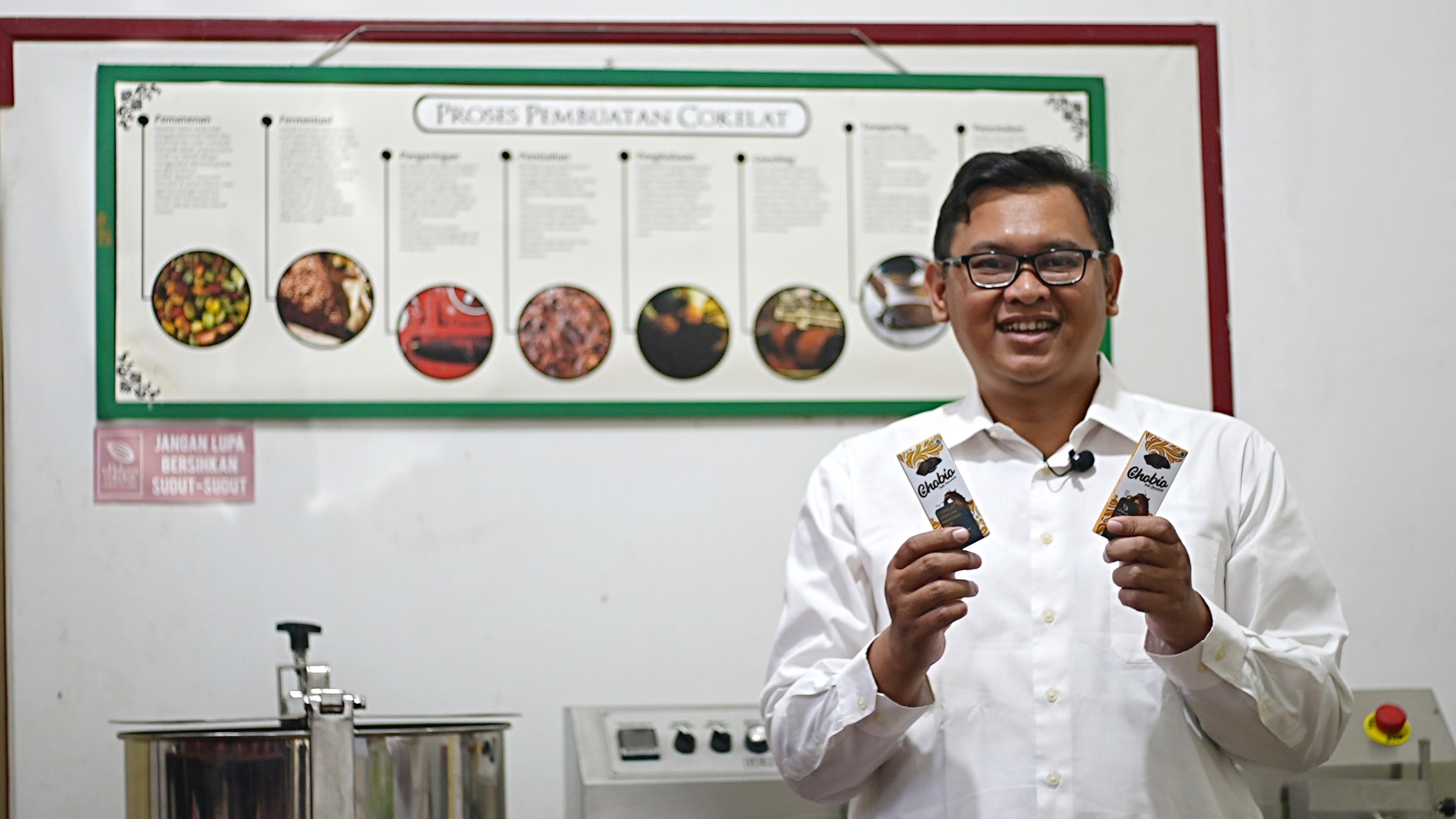
Local chocolate manufacturer in Yogyakarta, Coklat nDalem, was interested in becoming a research partner in producing probiotic chocolate named Chobio. Wednes Aria Yuda, known as Yuda, and his wife, Meike Hazim, founders and owners of Coklat nDalem, revealed their interest in becoming research partners.
"To be honest, the question is a bit unfair because Prof. Trisye is my lecturer. So if I'm asked for help and I say no, it's dangerous for me," Yuda jokingly mentioned during a direct interview at Coklat nDalem.
Their shared vision to help alleviate stunting in Indonesian children sparked Coklat nDalem's interest in collaboration.
"Stunting, based on Prof. Trisye's research, can be solved, and one of the solutions is probiotics to improve digestion. Therefore, we are delighted to collaborate with Prof. Trisye," said the graduate of Food Technology and Agricultural Product UGM, also a student of Trisye.
Certainly, the benefits of preventing stunting are not the only advantages of consuming Chobio, as mentioned earlier. There are also improvements in digestive function, combating harmful bacteria in the intestines, boosting immunity, and a host of other bodily benefits.
The most crucial phase carefully observed in the Chobio production process is when probiotic bacteria are mixed with processed chocolate. This mixing process cannot be done when the chocolate temperature is high. The chocolate mixture must be at a sufficiently low temperature to ensure the probiotic bacteria remain alive in the chocolate bar.
"Chobio is the first probiotic chocolate in Indonesia. It means chocolate with beneficial microbes needed by our stomachs or intestines. We use genuine Indonesian chocolate, keeping its sugar content not too high, making it safe for anyone to consume," explained Yuda. Moreover, the microbes used are native Indonesian probiotics, making them more suitable for the Indonesian digestive system.
Chobio was first launched in December 2021. Trisye, during the launch event, stated that consuming Chobio probiotic chocolate helps balance the gut microbiota population in children's digestive systems, aiding in stunting prevention.
Chobio is packaged in approximately 30 grams, priced affordably starting from Rp16,000. Children and adults alike can enjoy the first probiotic chocolate in Indonesia, available on e-commerce platforms and the official Coklat nDalem store at Jl. Bhayangkara No.23, Yogyakarta.
Continuation of Research, Investment Funding
The LPDP's RISPRO funding received by PSPG UGM for probiotic research has become a crucial investment for research sustainability. The title of the first PUI-PT Probiotic in Indonesia was achieved by the PSPG UGM probiotic research team, thanks to the research equipment purchased with LPDP funding.
Currently, PUI-PT Probiotic is becoming a pilot plan for major industries eyeing the production of probiotic powder. PT Royal Medicalink Pharmalab is interested in bringing the production system conducted by PUI-PT Probiotic into large-scale industry.
This pharmaceutical factory based in West Jakarta produces capsules containing probiotic powder similar to what PUI-PT Probiotic does. Each capsule, named Vipilac (Very Important Probiotic Lactobacillus), contains over a billion beneficial bacteria that can be consumed daily.
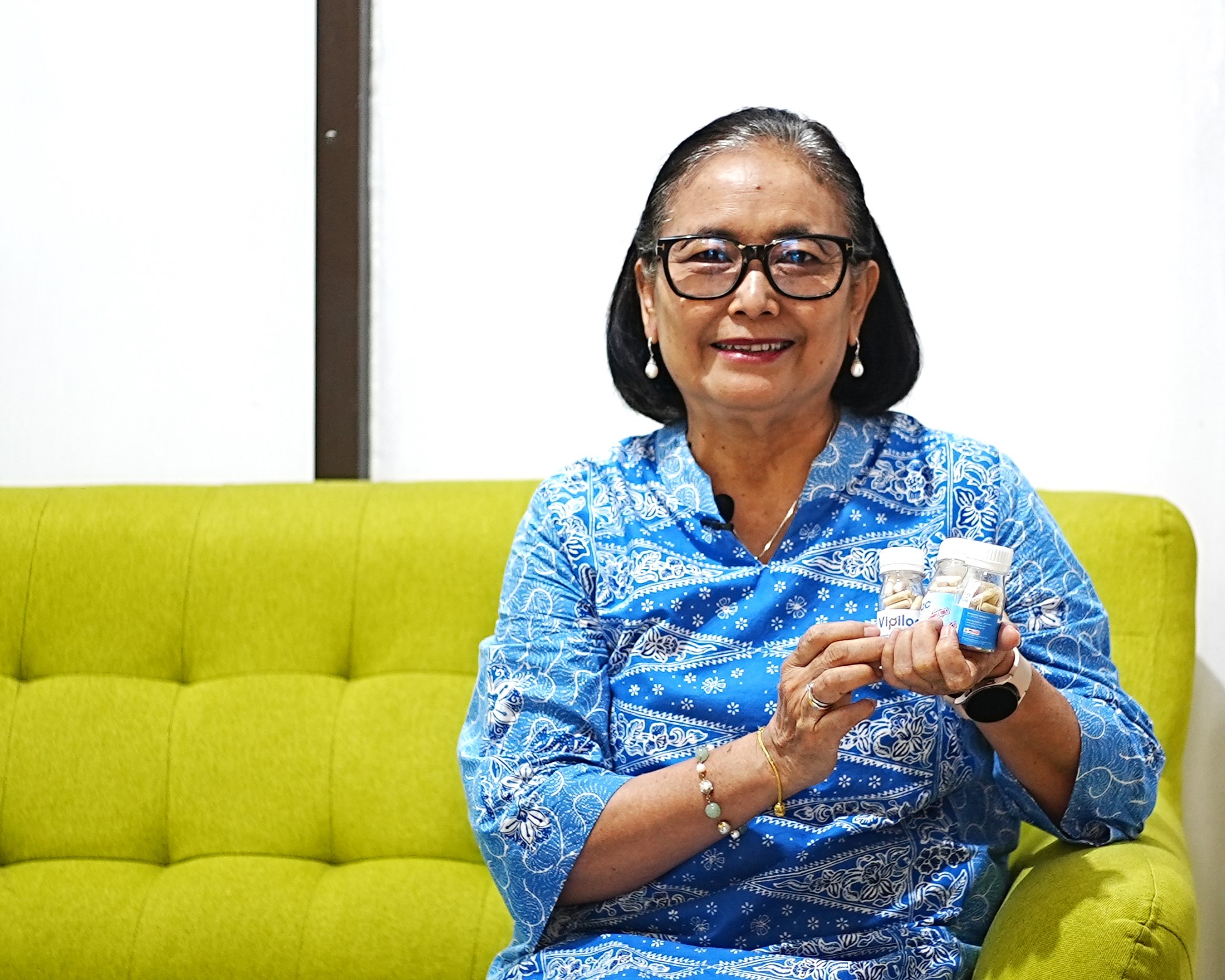
The impact of consuming these probiotic capsules is to balance gut microbiota by increasing the population of beneficial bacteria and suppressing the population of pathogenic bacteria in the digestive tract.
"All of this is thanks to the LPDP funding we received, which could be used to build a pilot plan related to probiotic production. Yes, once again, thank you for the funding we received from LPDP, from the state budget, which has elevated our research to be adopted by major industries," concluded the food security expert who received the 2015 Adhikarya Pangan Nusantara award.
Other probiotic products produced by the PUI-PT Probiotic UGM laboratory include ProbioGama, StartoBio Yogurt, StartoBio Cheese, StartoPro, Hi!Fruzz, Giocoffee, and many more.